01
Introduction: How the Global Markets Really Work
Financial markets can appear complex at first glance. Prices move constantly, headlines influence sentiment, and traders across the world react in real time to new information. However, beneath this apparent chaos lies a structured system shaped by economic forces, institutional activity, liquidity, and expectations. Understanding how global markets function does not require predicting every price movement. Instead, it requires understanding why markets exist, who participates in them, and what drives price changes over time.
This chapter lays the foundation for everything that follows. Before learning strategies or tools, it is important to understand the environment in which trading takes place.
Why Markets Move
At their core, financial markets are mechanisms for price discovery. They exist to match buyers and sellers of financial instruments such as currencies, stocks, indices, and commodities. Prices move when there is an imbalance between supply and demand.
If more participants want to buy than sell, prices tend to rise. If more participants want to sell than buy, prices tend to fall. While this principle is simple, the reasons behind buying and selling decisions are often complex.
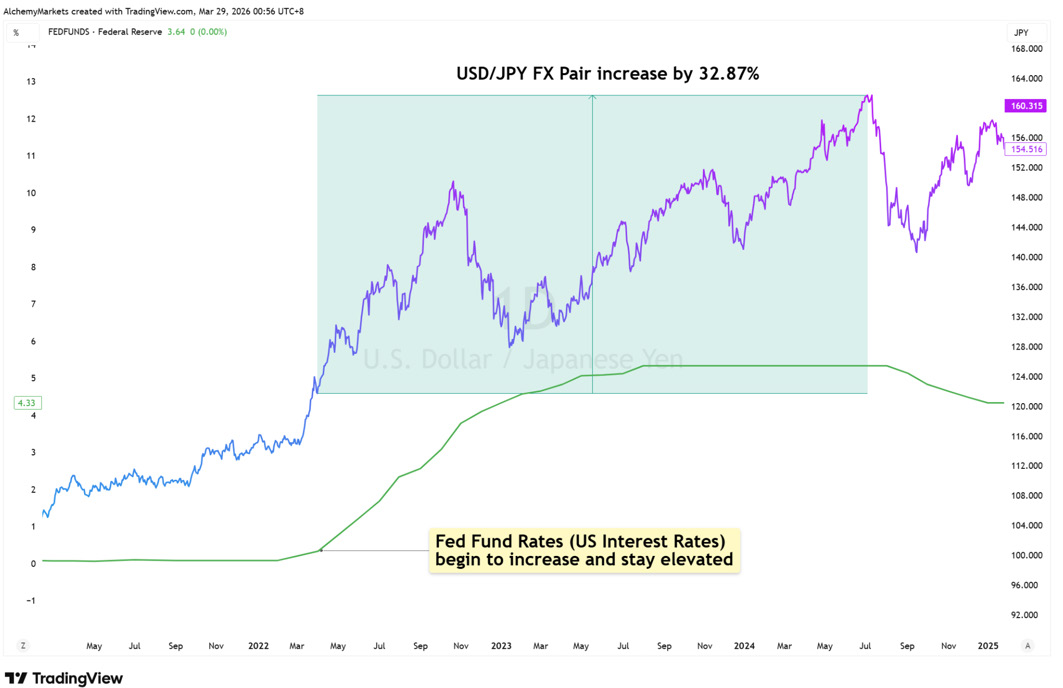
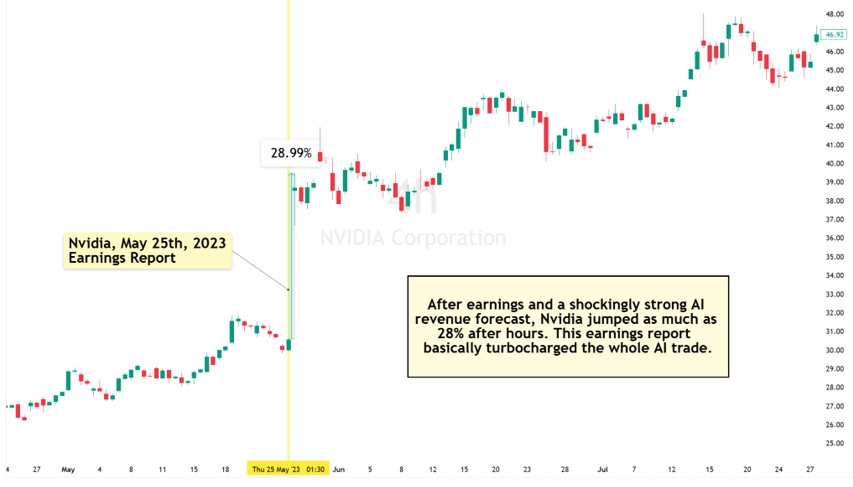
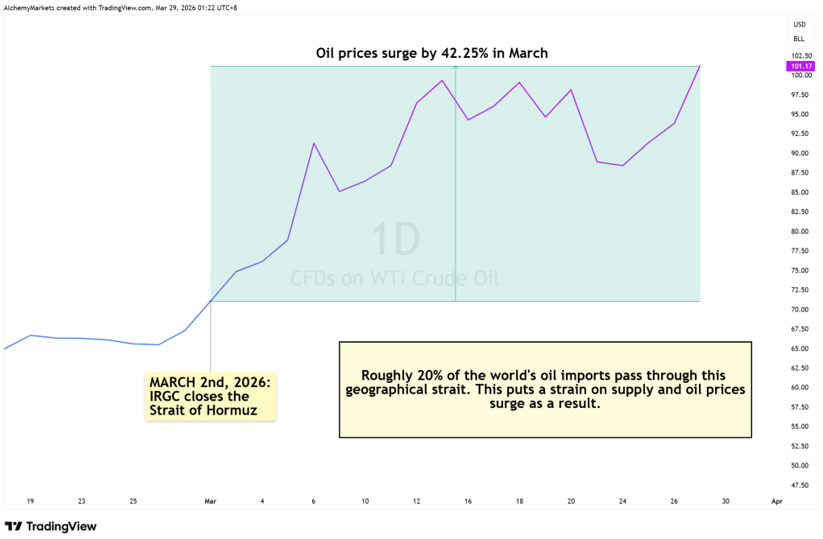
Market movements are influenced by several interconnected forces. Economic data such as inflation, employment figures, and interest rate decisions can alter expectations about future growth. Corporate earnings reports can change how investors value companies. Geopolitical events can introduce uncertainty or shift trade dynamics. Even shifts in sentiment or positioning among large market participants can cause price fluctuations.
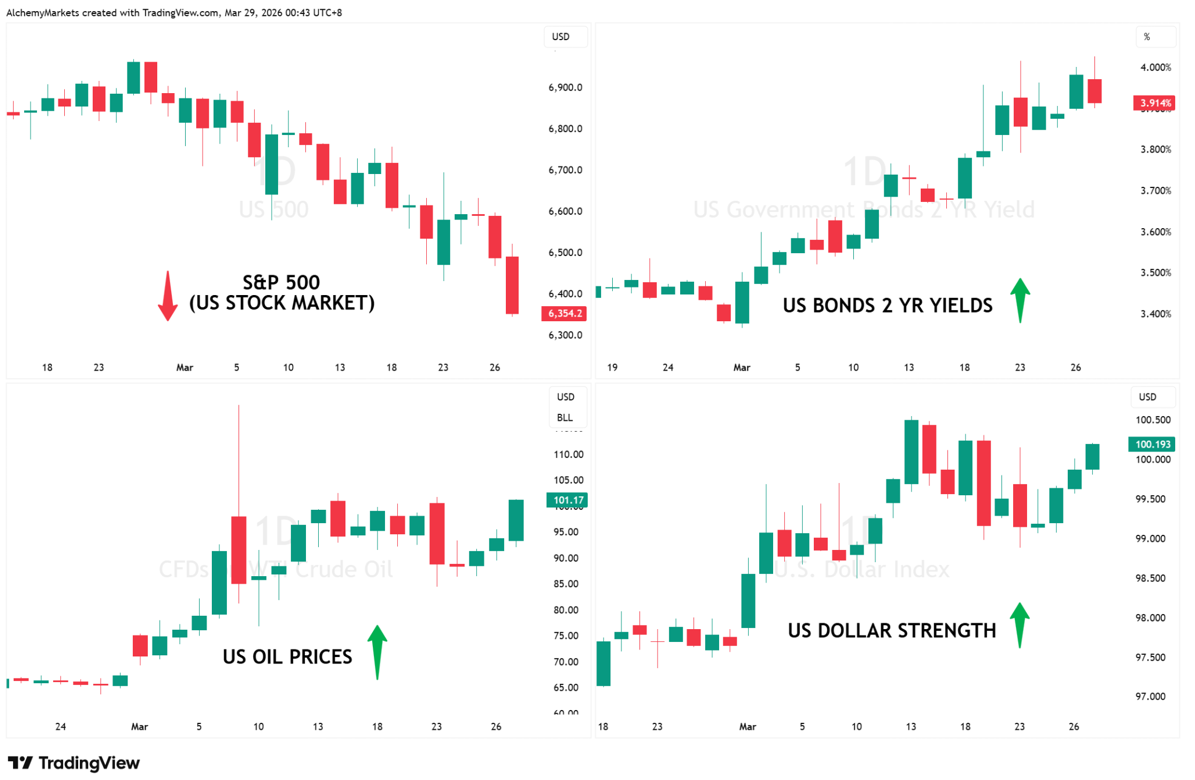
Importantly, markets are forward-looking. Prices often reflect expectations about the future rather than current conditions. This is why markets sometimes move before official data is released or react strongly to changes in guidance.
Understanding that markets move based on expectations — not just current facts — helps explain why volatility can occur even when news appears neutral.
Who Participates in Global Markets
Financial markets are not driven by one type of participant. They include a wide range of actors, each operating with different objectives, time horizons, and levels of capital.
Institutional participants such as banks, hedge funds, pension funds, asset managers, and multinational corporations account for a significant share of global trading volume. These participants may trade to hedge currency exposure, manage portfolios, allocate capital across regions, or implement macroeconomic views.
For example, a multinational corporation may exchange currencies to manage international revenues. A pension fund may rebalance its equity portfolio based on long-term allocation targets. A hedge fund may trade based on macroeconomic analysis or quantitative models.
Retail traders also participate in global markets, often with shorter time horizons and smaller capital allocations. Advances in technology have made it possible for individuals to access markets that were once limited primarily to institutions.
While retail and institutional participants operate on different scales, they interact within the same price discovery mechanism. Understanding that prices reflect the combined actions of all these participants helps explain why markets can sometimes behave unpredictably in the short term.
Why Understanding Structure Matters More Than Prediction
Many beginners approach trading with a focus on prediction. They look for ways to forecast exactly where prices will move next. However, experienced market participants often focus less on prediction and more on structure.
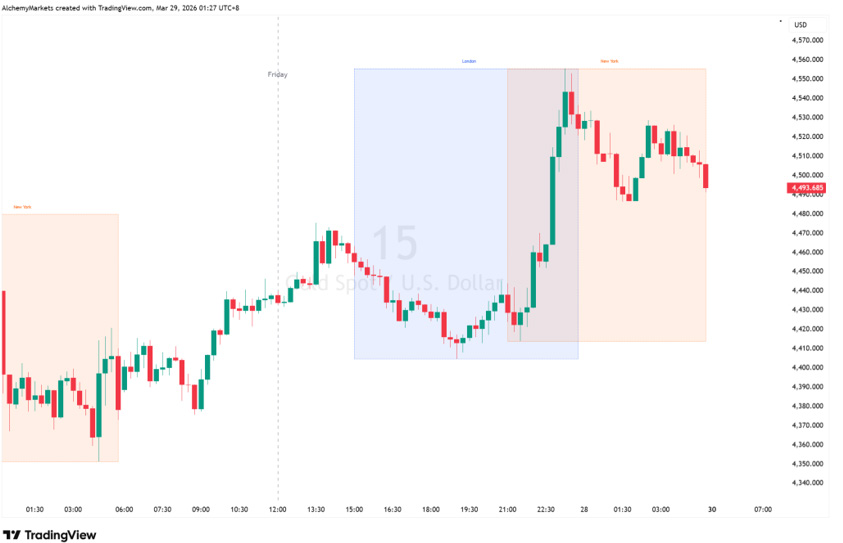
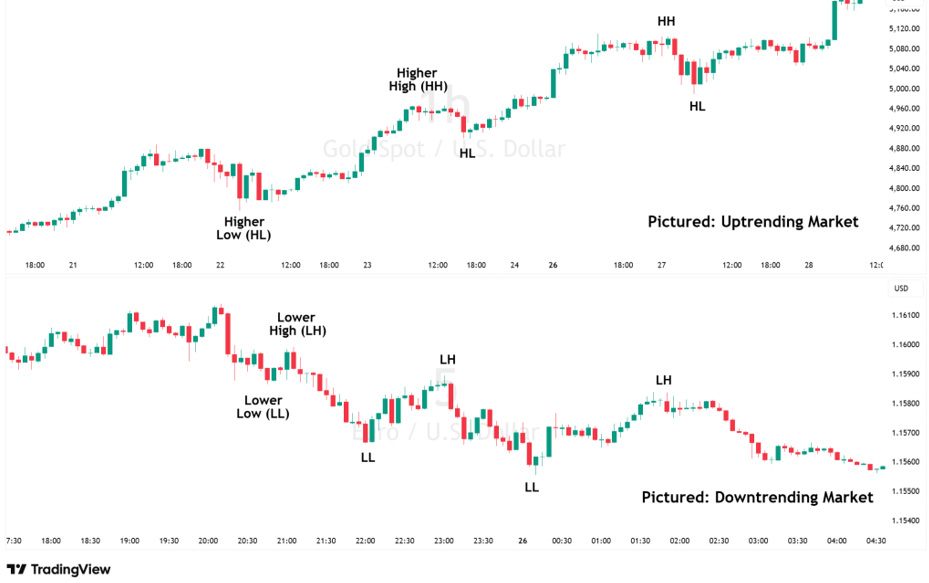
Market structure refers to how prices form, how liquidity flows through the market, and how different timeframes interact. It includes understanding trends, volatility patterns, and how major sessions such as London or New York influence trading activity.
Rather than attempting to forecast every movement, a structured approach asks different questions. What is driving the current trend? Is volatility increasing or decreasing? Are markets reacting to economic data or broader themes? How does this asset behave during specific trading sessions?
By focusing on structure, traders can shift from trying to be “right” about every move to managing risk within a broader framework. Markets are uncertain by nature. No strategy eliminates uncertainty. However, understanding structure helps reduce randomness in decision-making.
This guide builds on that principle. Before exploring strategies or tools, it establishes a clear understanding of how global markets function and why they move.
In the next chapter, we explore the major asset classes available to traders — currencies, indices, stocks, and commodities — and how each behaves within the broader financial system.